This question often arises whether you’re starting out in health economics, considering a health economics PhD, or recruiting for your team. After reviewing 150 job postings on EuropeanHealthEconomics.com, I’ve compiled insights into the educational qualifications typically required for analyst, manager, and director roles. The data, illustrated in the charts below, provides a clear picture of what employers value across levels.
Education Requirements by Role Level
The bar chart (Figure 1) summarises the distribution of educational qualifications—Bachelor’s (BA), Master’s (MSc), Medical Doctor (MD), and PhD—required for analyst, manager, and director positions. It highlights how qualifications progressively shift toward advanced degrees as the role becomes more senior. Analysts overwhelmingly require MScs, managers show a mix of MSc and PhD preferences, and directors increasingly demand PhDs and MDs.
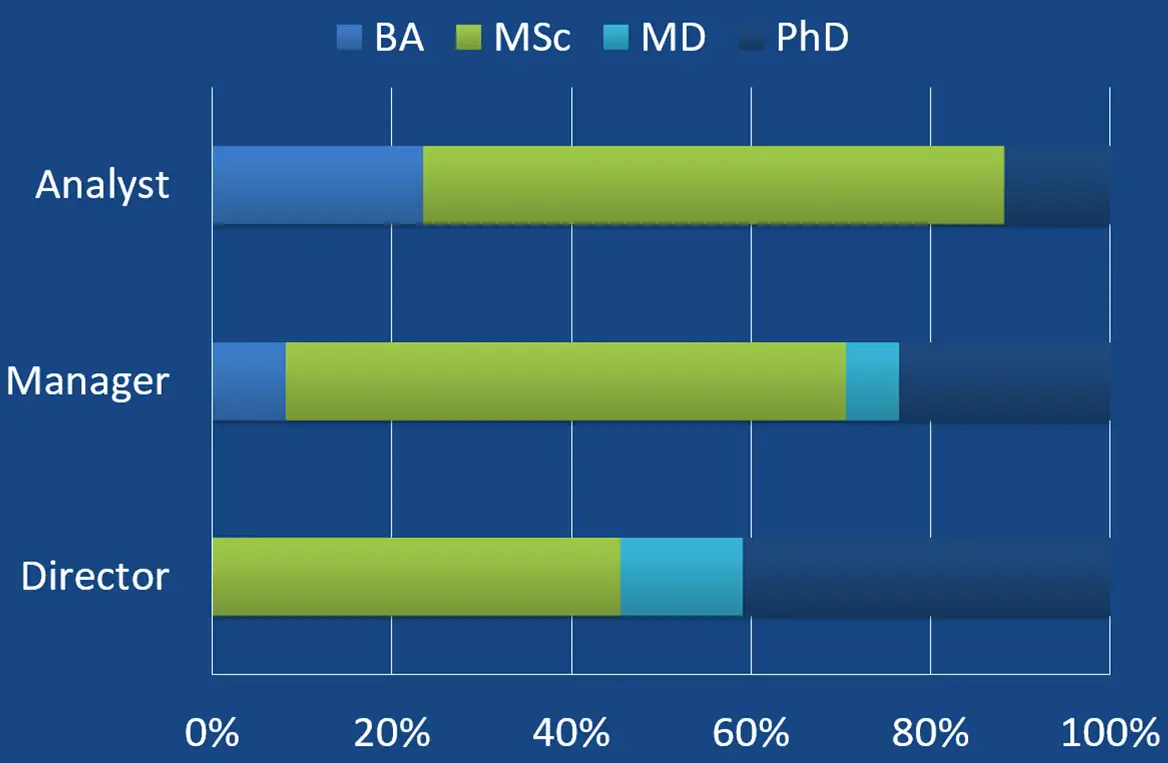
Figure 1: Education levels required across analyst, manager, and director roles in health economics.
Limited Opportunities with a Bachelor’s Degree
If you hold a bachelor’s degree (BA) and are aiming for a career in health economics, opportunities might be limited. As seen in the pie chart (Figure 2), only 24% of analyst roles specify a BA as an acceptable qualification. Most employers (65%) require a Master’s degree (MSc) for these positions, with a small percentage (12%) even favouring candidates with a PhD.
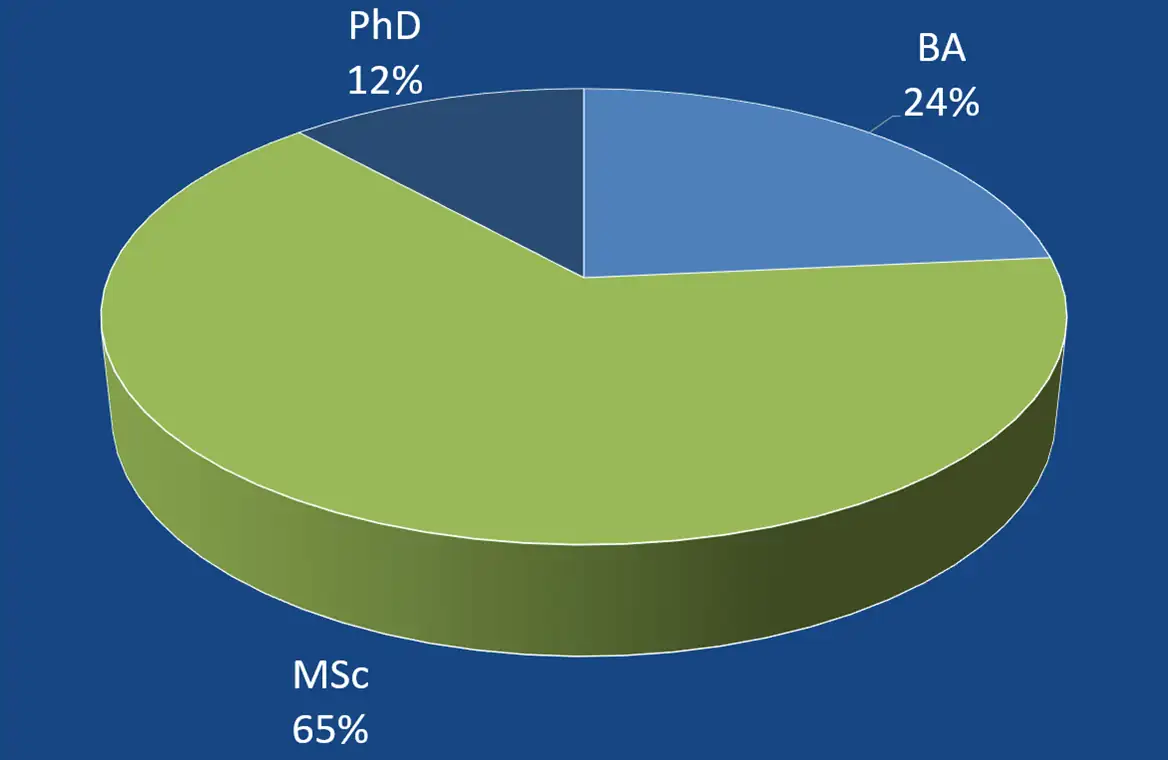
Figure 2: Education levels required for analyst roles in health economics.
Analyst vs. Manager: Different Educational Expectations
At the analyst level, technical skills are paramount, making a Master’s degree almost indispensable. Moving to managerial roles, education requirements broaden slightly. The majority of manager positions (62%) still require an MSc, but there’s a noticeable increase in roles favouring PhDs (24%) and even MDs (6%) (Figure 3). Managers not only apply technical expertise but also lead projects and teams, which often requires additional experience beyond formal education.
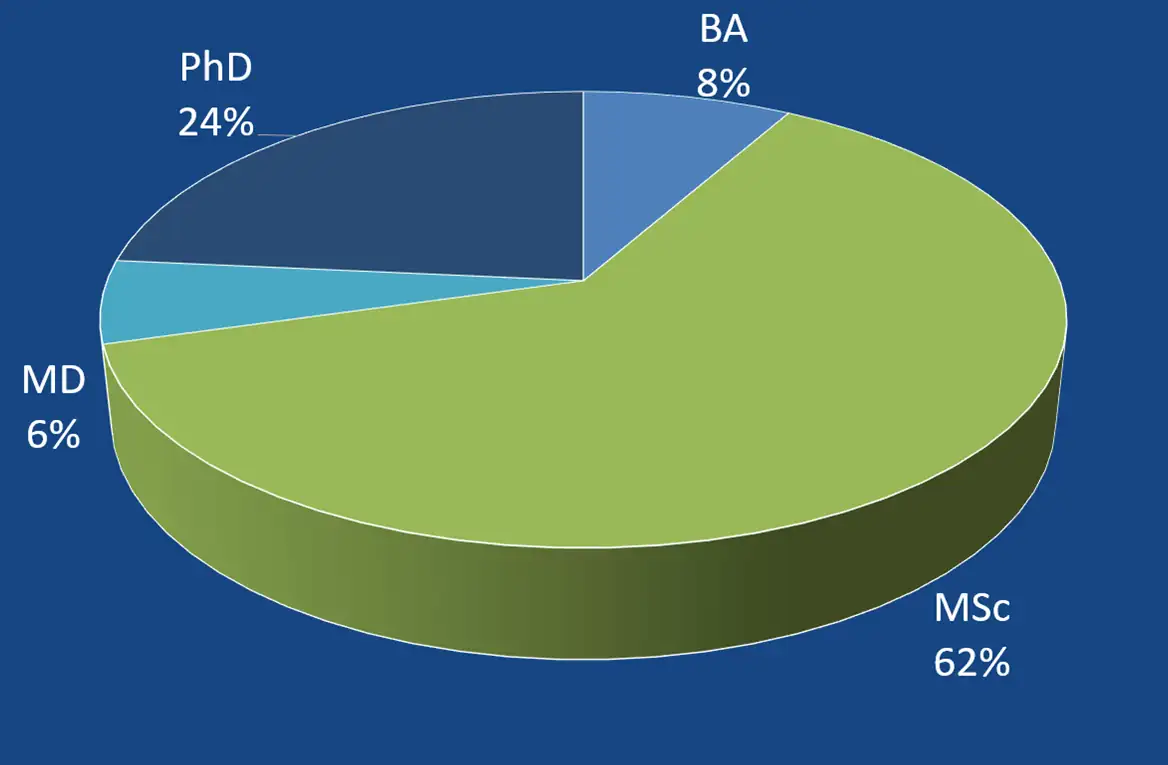
Figure 3: Education levels required for manager roles in health economics.
PhDs: The Key to Leadership Roles
For director-level positions, the educational bar is higher. While 45% of these roles still accept a Master’s degree, a significant 41% specify a PhD as either required or strongly preferred (Figure 4). Additionally, 14% of director roles seek candidates with an MD, particularly those focusing on health outcomes and strategy.
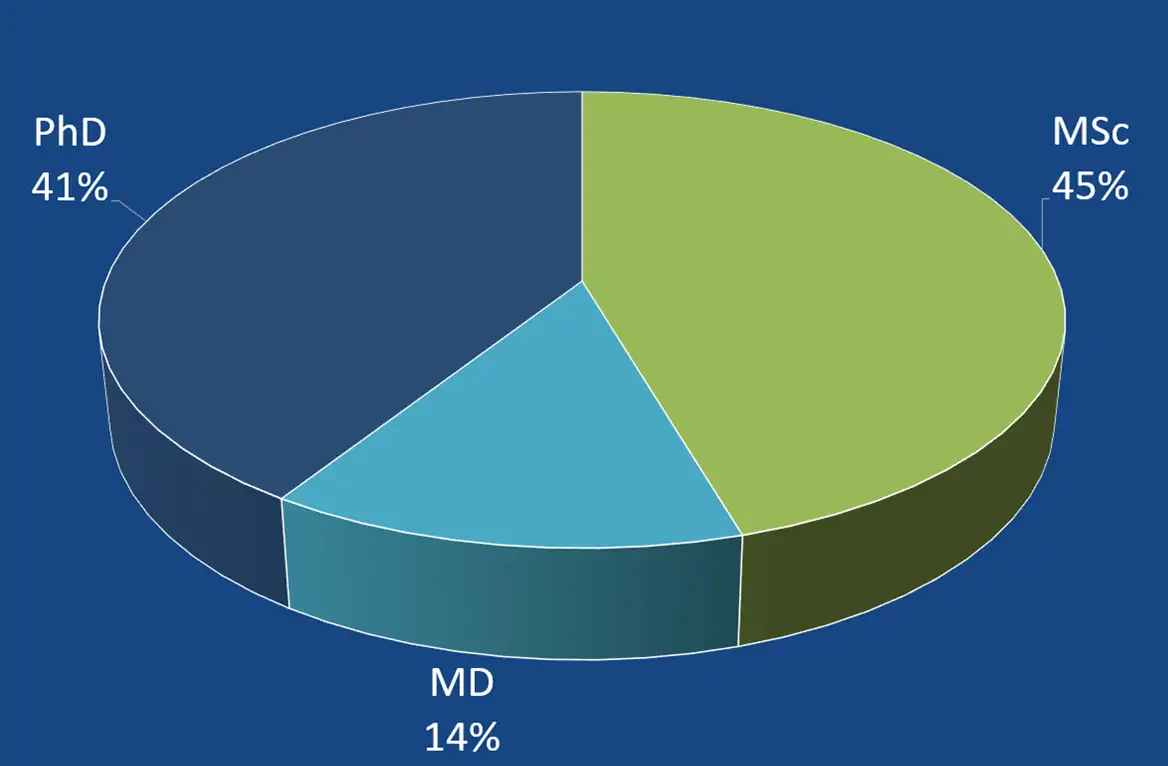
Figure 4: Education levels required for director roles in health economics.
Medical Doctors with Health Economics Degrees: A Sought-After Combination
Medical doctors (MDs) with health economics expertise are highly valued, especially in senior positions. Director roles in particular have a demand for MDs (14%, Figure 4), as their clinical background combined with health economics training makes them uniquely qualified to lead teams addressing market access, HTA, and outcomes research.
Why Do Many Job Ads Skip Education Requirements?
Interestingly, a considerable number of job advertisements don’t specify education requirements at all. This oversight likely occurs when HR professionals less familiar with the field draft postings. For job seekers, this highlights the importance of applying even if you don’t meet every stated qualification, particularly given the shortage of experienced health economists.
Guidance for HR and Hiring Managers
Human resources and managers should ensure job advertisements clearly reflect educational requirements tailored to the role. For analysts, focus on technical qualifications like an MSc. For managerial positions, highlight the importance of experience and leadership alongside education. For director roles, be explicit about the need for advanced qualifications like a PhD or MD to attract the best candidates.
Wrap up
Health economics is a field where the right education significantly impacts career progression, whether you’re just starting out, moving up the ranks, or making hiring decisions. The charts above provide a clear picture of what employers value at each level, helping you make informed decisions about your education or recruitment strategy.